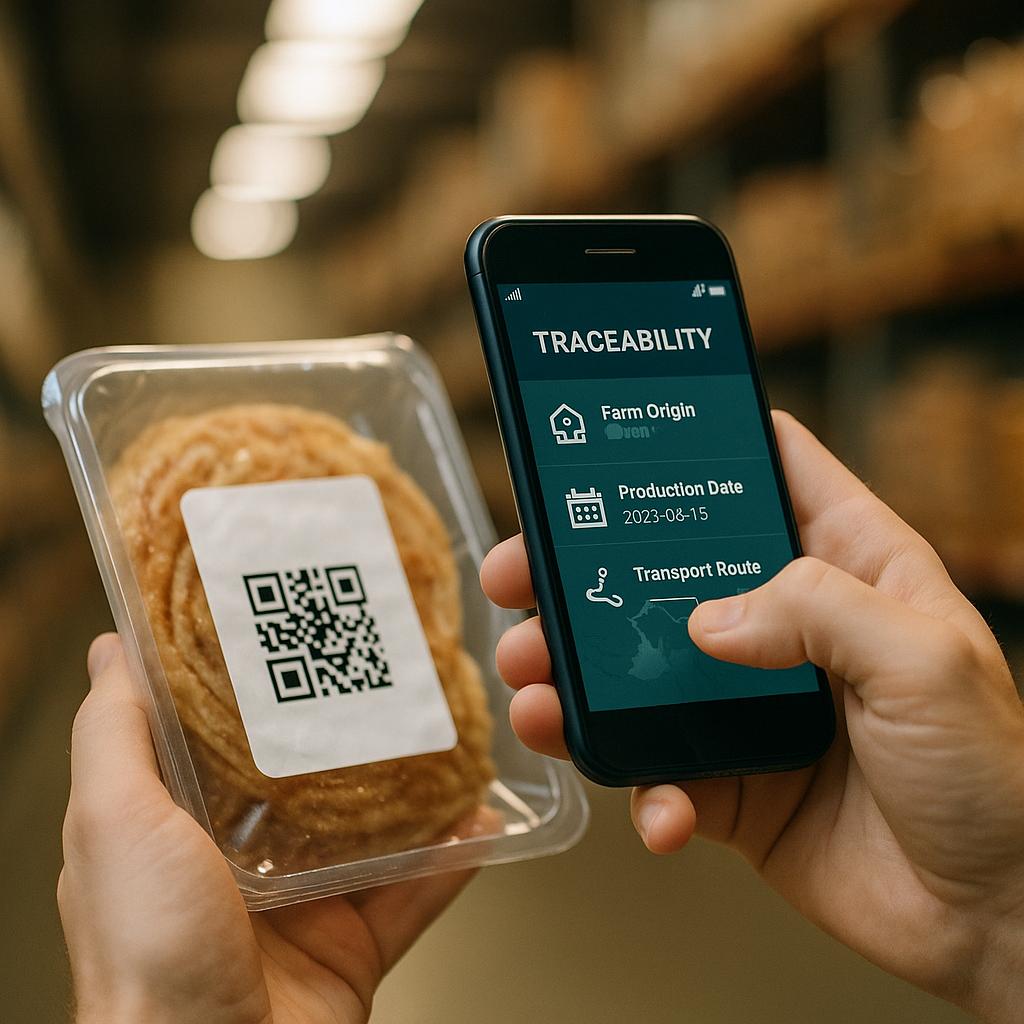
Why Every Food Brand Needs a Digital Identity
September 10, 2026
For decades, a food product's identity has largely lived on its physical packaging. Consumers see the brand name, product name, ingredients, nutrition information, certifications, claims, lot information, and other details printed on the package. Retailers use product codes to identify products, while companies maintain additional information inside their own systems. But food products increasingly exist in two worlds at the same time. There is the physical product sitting on a shelf, in a warehouse, or moving through a supply chain, and there is the digital product represented by the information systems, databases, websites, identifiers, records, and documents connected to that product.
A digital identity provides a way to connect a physical food product with relevant digital information. This does not mean that every food brand is currently legally required to create a digital identity. Rather, it represents an increasingly useful approach for connecting products with structured information that can support traceability, transparency, compliance, and consumer engagement. One established approach comes from GS1.
GS1 Digital Link is a standard that allows GS1 identifiers to be connected to online sources of information about a product. Depending on the implementation, those sources can include product information, traceability information, recall information, and other related services. In simple terms, the physical product has an identity, and that identity can provide a pathway to information available online.
This matters because a physical package has limited space. A package might tell a consumer that a product is organic, gluten-free, or made with a particular ingredient, but it cannot realistically contain every piece of information that a consumer, retailer, regulator, or supply-chain partner might need. A digital identity provides a way to connect the physical product to a much larger information layer.
Your Product Is More Than Its Label
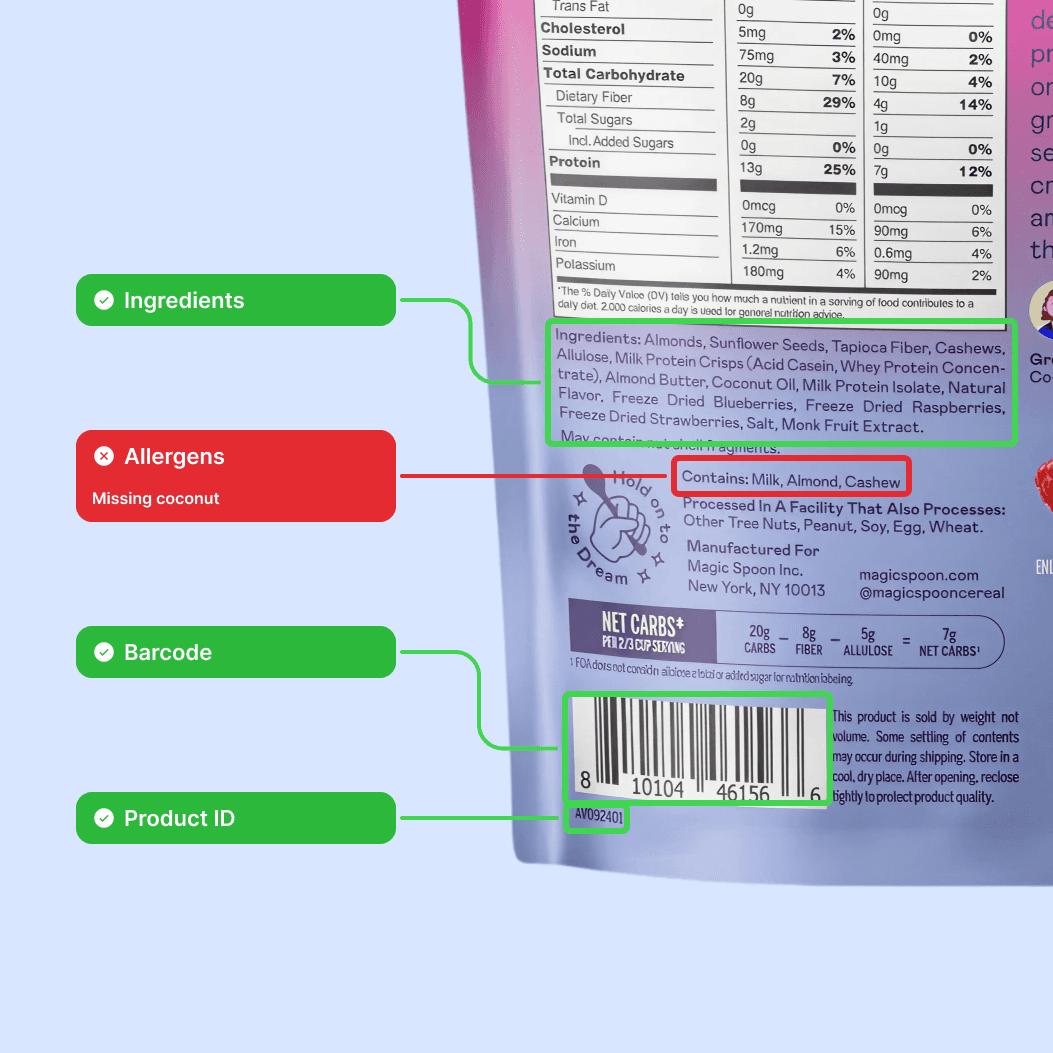
Now look at a packet of food. Its physical label may contain its name, ingredients, nutrition facts, allergen information, certification claims, manufacturer information, and a lot or date code. But there could be a lot more information behind that label. It may contain information about the origin of the ingredients, the supplier, the manufacturing date of a certain batch, the processing facility, applicable certifications, shipping destination, and distribution channels.
Some information may be needed for specific regulatory or business purposes, and some may be useful for transparency, traceability or consumer engagement. The problem is that this information can be in many systems. For instance, a company may keep supplier information in an ERP, certifications in folders, production data in a separate database and consumer information on its website. The product is one thing in the physical world, but the information about it can be spread around many places.
A digital identity can serve as a common thread between that physical product and the associated digital information. The idea is not to put everything into one database. Rather, it is to make it easier to connect the correct information with the product it describes.
Traceability Is One of the Biggest Reasons This Matters
Food traceability is not a new concept. The U.S. Food and Drug Administration defines food traceability as the ability to follow the movement of food and ingredients through the supply chain, both backward and forward. Effective traceability can help identify the source of food during an outbreak and support faster action when affected products need to be removed from the marketplace.
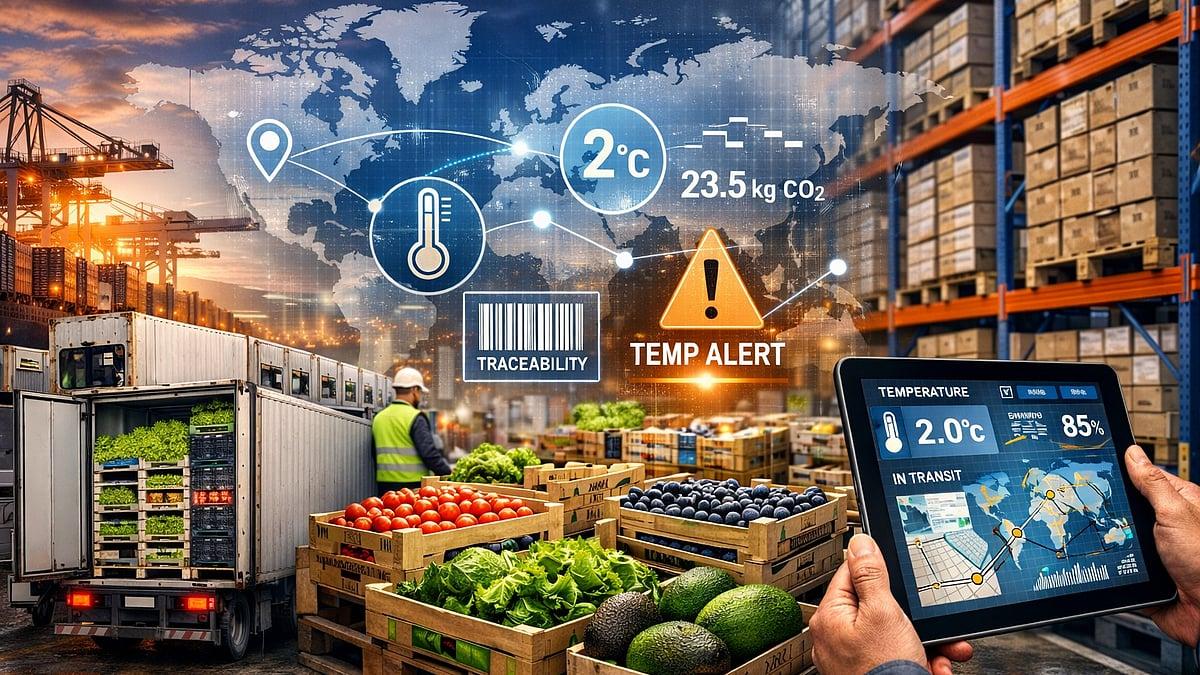
The FDA's Food Traceability Rule also establishes additional recordkeeping requirements for certain foods included on the Food Traceability List. The rule uses concepts such as Critical Tracking Events, Key Data Elements, and Traceability Lot Codes to create links between relevant records across the supply chain.
This illustrates an important point: traceability is fundamentally an information problem. A company cannot trace a product effectively if the relevant information cannot be identified, connected, retrieved, and shared. A digital identity can provide an important link between the product and that information.
A Digital Identity Is Not the Same as a QR Code
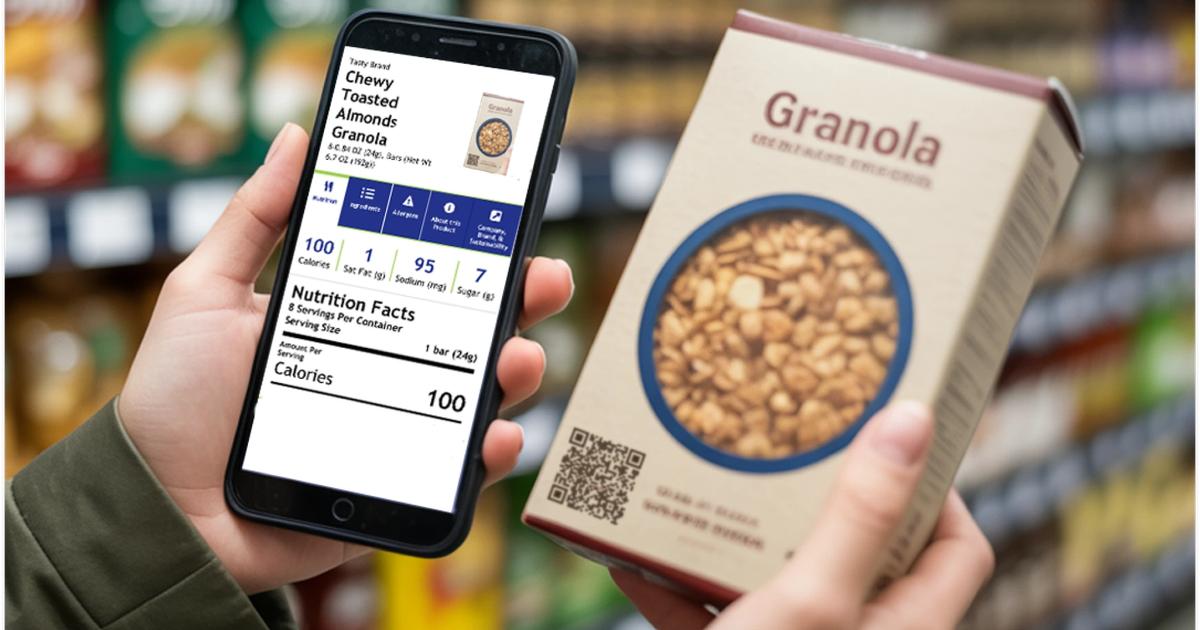
It is easy to confuse these concepts. A QR code is a data carrier, while a digital identity is the identification and information framework behind the digital experience.
For example, a QR code can contain or point to a GS1 Digital Link associated with a product identifier. GS1 describes Digital Link as a standardized way to connect GS1 identification keys with online information and services. A resolver can then direct requests toward relevant information such as product information, traceability information, or recall services.
That means a QR code does not have to be thought of simply as "Scan this to visit our website." It can become a gateway connecting the physical product to information associated with its digital identity. The distinction matters because a generic QR code can simply point to a webpage, while a standards-based approach can provide a structured connection between an identified product and different types of information.
One Product Can Have Many Stories
A food product can tell many different stories depending on who is asking. A consumer may want to know what ingredients are in the product. Someone with a food allergy may want to know whether it contains an allergen they need to avoid. A retailer may need product identification and product information. A supply-chain partner may need to know which batch a shipment belongs to. A quality team may need to find production records associated with a particular lot. A regulator may need information about where a product came from and where it went.
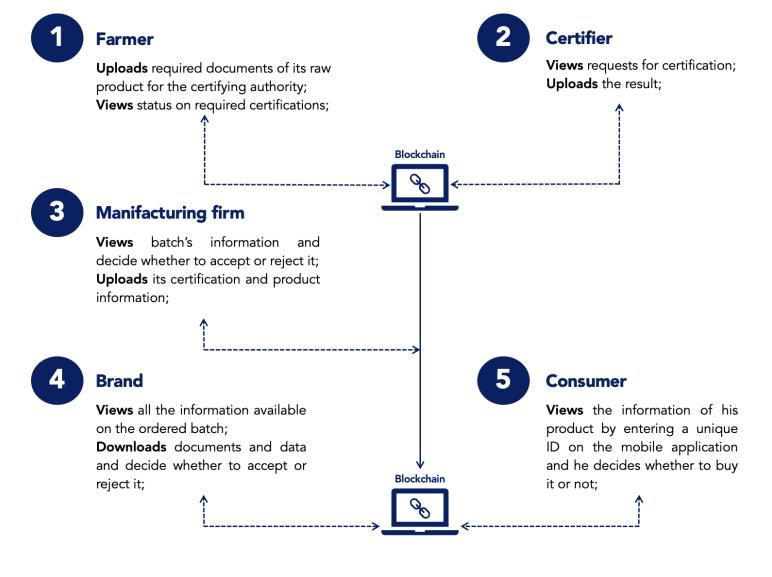
These are different questions about the same physical product. A digital identity provides a foundation for connecting these different information needs to the same identified product or batch.
The Importance of Batch and Lot Information
For food companies, product identity does not always stop at the product level. Two packages can have the same product name and product identifier while belonging to different production batches. That distinction can become extremely important during a quality investigation, food-safety incident, or recall.
The FDA's traceability framework uses traceability lot codes to connect food to relevant Key Data Elements and supply-chain events. These codes help link records and can allow investigators to trace food backward toward its source and forward through the supply chain.
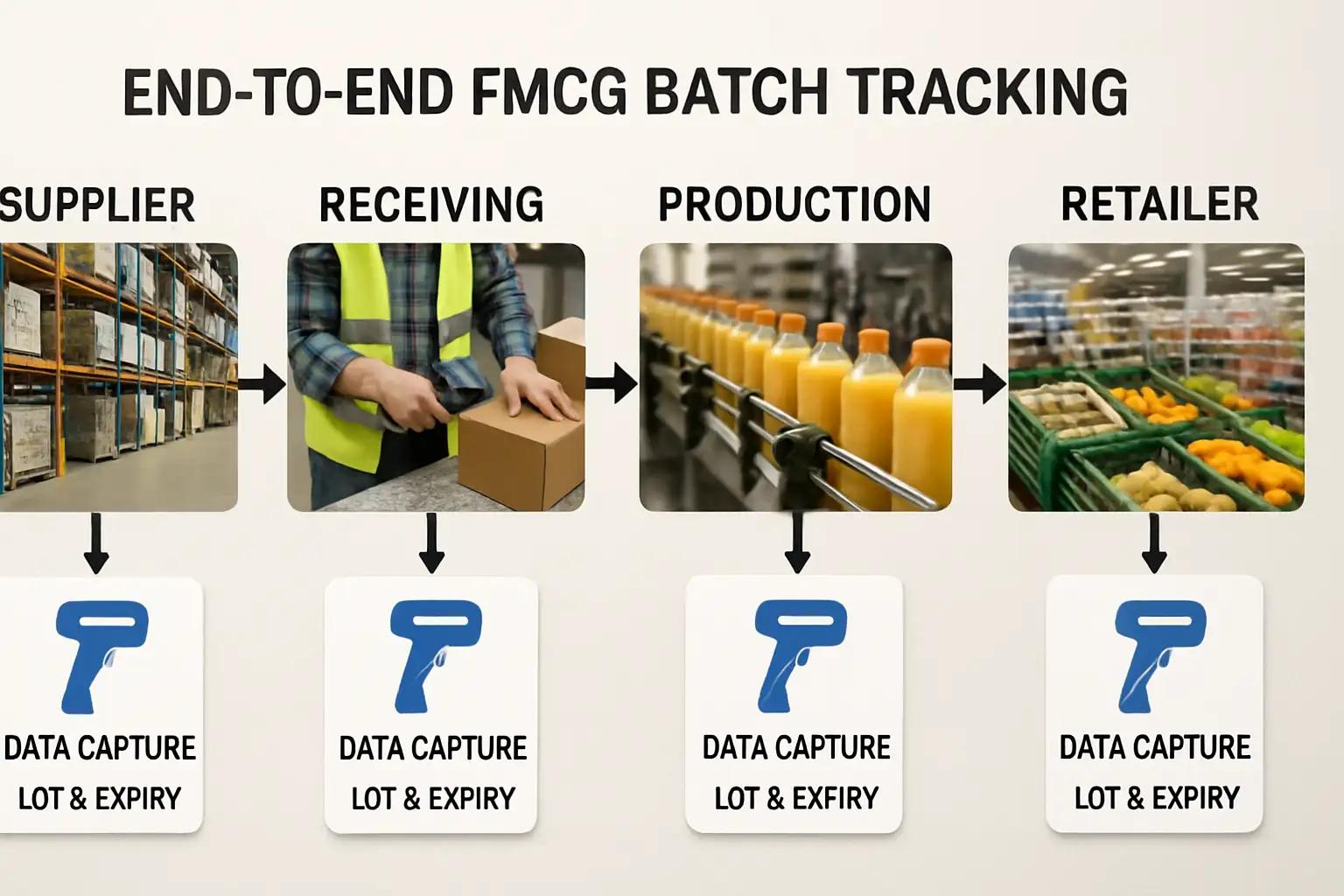
Importantly, the FDA does not require the traceability lot code itself to appear on the consumer-facing food label. The FDA explains that the code can be communicated through different mechanisms, including paper or electronic records and other methods. This demonstrates why digital product information can complement physical labeling. The package can remain relatively simple while digital systems maintain much richer information behind the product.
Digital Identity Can Support Consumer Transparency
Consumers encounter product claims such as organic, non-GMO, vegan, gluten-free, sustainable, responsibly sourced, and other descriptions. The challenge is not simply making a claim. The challenge is providing meaningful information about what the claim means and, where appropriate, what supports it.
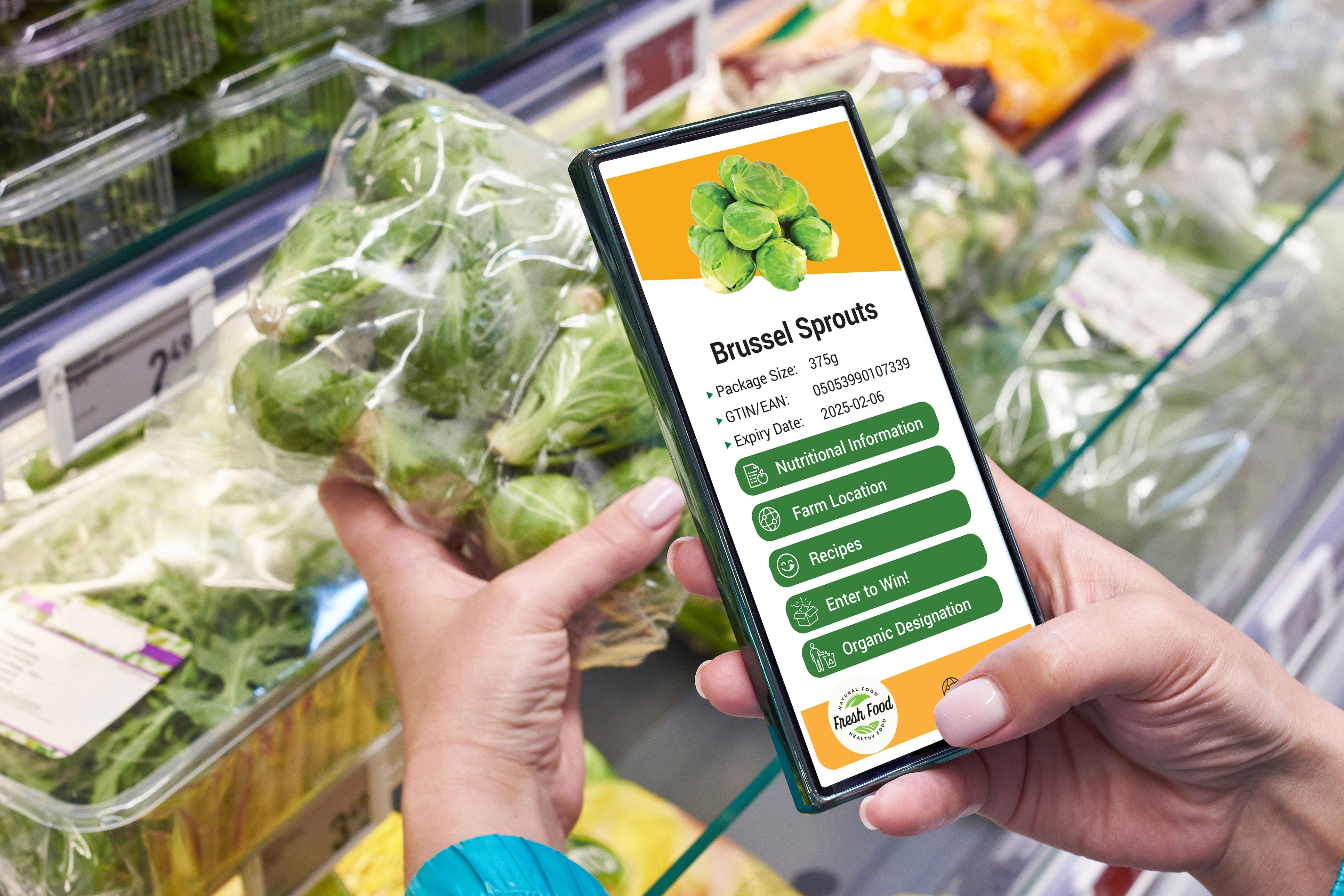
A digital product experience can give brands more space to provide additional information than the physical package allows. A consumer might scan a product and access information about ingredients, certification, manufacturer, product origin, or other relevant details. The digital experience does not replace legally required labeling. Instead, it can provide additional information around the product.
This creates an important distinction: the package communicates, while the digital identity connects.
Digital Identity Can Also Improve Internal Operations
The value of a digital identity is not limited to consumers. Food companies themselves can benefit from better-connected product information.
Imagine a company receives a question about a particular product batch. Without well-connected systems, employees may need to search through multiple spreadsheets, emails, folders, certificates, production records, and supplier documents. With a connected product-information architecture, relevant information can be associated with the appropriate product and batch identifiers, making it easier to retrieve.
The goal is not necessarily to replace every existing system. It is to create reliable connections between systems and identifiers so that the right information can be associated with the right product.
Digital Identity and Compliance
Regulatory requirements are another reason food companies should take digital information seriously. The FDA's Food Traceability Rule, for example, requires certain businesses handling foods on the Food Traceability List to maintain records containing specified Key Data Elements associated with Critical Tracking Events. The FDA also states that these records must be made available to the FDA when requested and that certain electronic sortable information may be required during relevant public-health situations.
Importantly, the FDA does not prescribe one specific technology for maintaining these records. Records can be maintained in paper or electronic form as long as they meet the applicable requirements. Therefore, a digital identity is not itself a universal regulatory requirement. It can, however, be part of a broader digital architecture that helps companies organize, connect, and retrieve information required for their operations and applicable regulations.
Digital identity is an enabler, not a substitute for compliance.
Digital Identity and the Digital Product Passport
The broader move toward digital product information is also visible outside the food industry. The European Union is developing the Digital Product Passport framework under the Ecodesign for Sustainable Products Regulation. The European Commission describes a Digital Product Passport as a digital record containing product-related information intended to support transparency, informed choices, and compliance for products within its applicable scope.
However, food brands should be careful about interpreting this development. The EU Digital Product Passport framework does not mean that every food product currently has a mandatory Digital Product Passport. Specific obligations depend on the product categories and legislation that apply.
The broader lesson is nevertheless significant. Regulators and industry standards organizations are increasingly developing systems in which products can be connected to structured digital information. Food companies can learn from this direction even where a specific Digital Product Passport obligation does not apply to their products.
The Future Is Not "More Data"
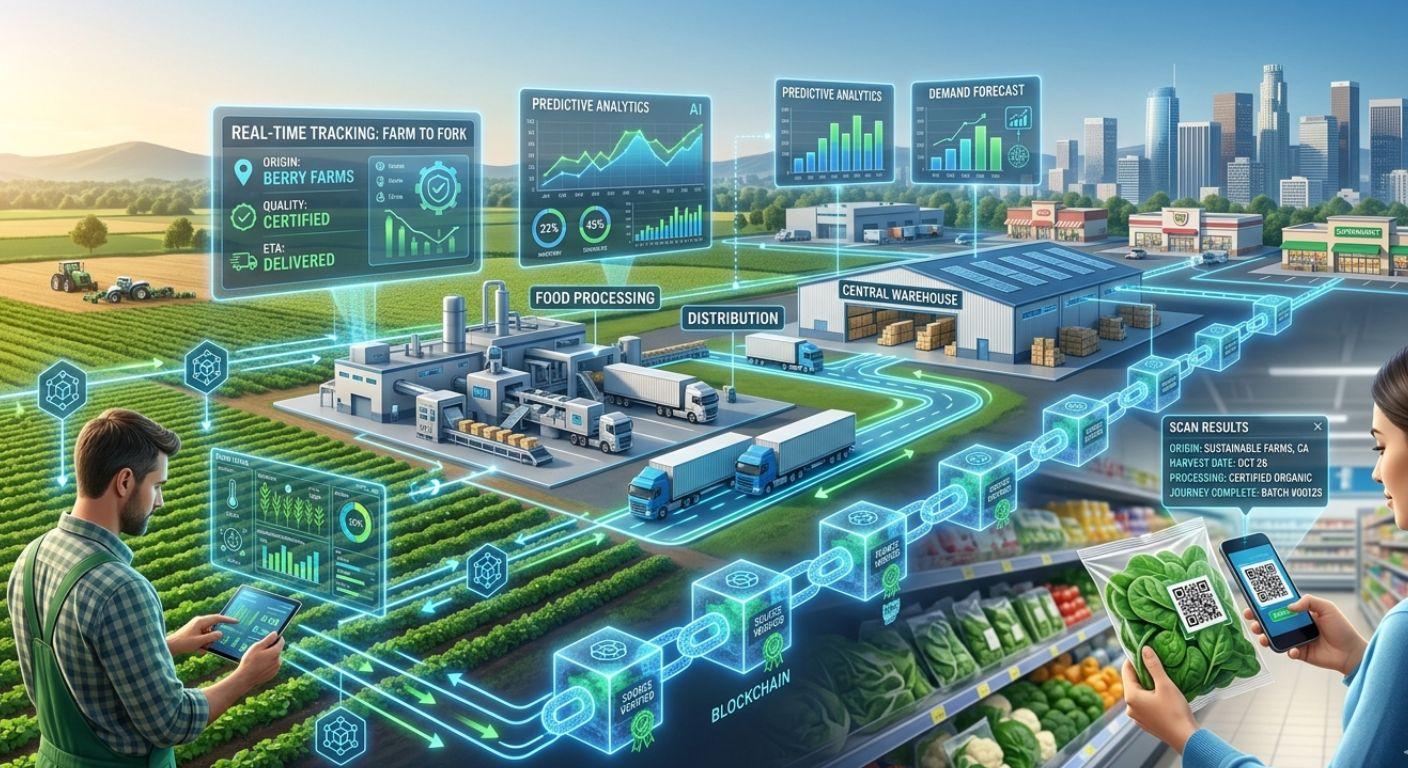
There is a temptation to think that digital transformation simply means collecting more information. It doesn't. A company can have thousands of spreadsheets and still have poor product visibility.
The real objective is connected information. A useful digital identity should help answer basic questions about a product: What product is this? Which version or batch is it? Where did it come from? What information is associated with it? Which records support that information? Who needs access to it? How can that information be updated? And how can the appropriate information be shared with consumers, partners, or regulators?
The quality of a digital identity system ultimately depends on the quality and governance of the underlying information. A QR code cannot make inaccurate information accurate. A digital platform cannot automatically make an unsupported claim trustworthy. And AI cannot magically verify information that does not exist or cannot be accessed.
The foundation must be reliable data.
Digital Identity Could Become Important for AI-Powered Commerce
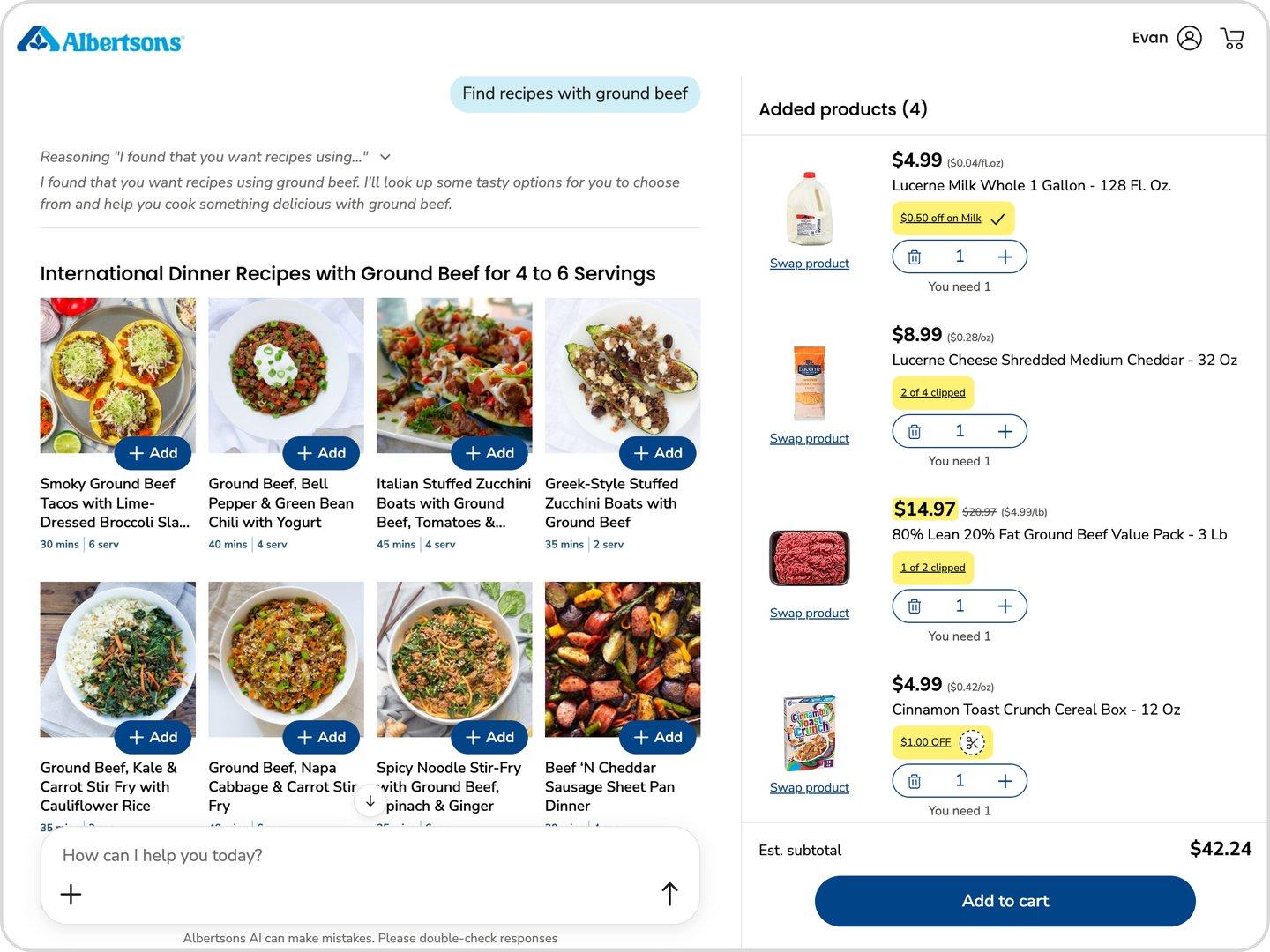
There is another reason digital product identity is becoming increasingly interesting. AI systems are becoming more involved in search, product discovery, and shopping experiences.
If consumers increasingly ask AI systems questions such as, "Which product meets my dietary requirements?", "Which products contain this ingredient?", or "Which product has the certification I am looking for?", product information becomes an increasingly important part of the digital shopping experience.
There is no guarantee that an AI system will select a product simply because it has a digital identity. AI recommendations depend on the specific system, its data sources, algorithms, integrations, and the consumer's request.
However, products with structured, accessible, and reliable information can potentially be easier for digital systems to interpret than products whose information is scattered, incomplete, or inaccessible. This makes digital identity part of a broader concept: machine-readable product information.
From Product Label to Product Identity
For a long time, the label was treated as the primary identity of a food product. But a label is limited by physical space. A digital identity does not have the same limitation.
The package can communicate essential information while a connected digital layer can provide additional context. The result is not a replacement for the label. It is an extension of the product's identity.
The evolution can be viewed simply as moving from a physical product and label toward a connected digital product with information that can be accessed through appropriate digital channels.
What Should Food Brands Do Now?
The first step is to identify the information that already exists across the organization. Where is product information stored? Where are certifications stored? Where are supplier records maintained? Where are batch and lot records stored? How are traceability records connected? How does the consumer access product information? Can employees quickly find the information associated with a particular product or batch?
Once those questions are answered, companies can begin creating a more structured product-information architecture. This does not necessarily mean replacing every existing system. Instead, it means creating reliable connections between systems and identifiers.
Standards such as GS1 Digital Link can play a role by connecting identified products to online information and services. The important point is to start with a clear product identity and reliable data rather than starting with technology simply for the sake of technology.
The Digital Identity Should Follow the Product
One of the most powerful ideas behind digital product identity is that information can remain connected to the product throughout its lifecycle.
From production to packaging, from packaging to distribution, from distribution to retail, and potentially from retail to the consumer, different information can be associated with the same product identity.
The information available at each stage may be different, and not everything needs to be publicly accessible. A consumer does not need access to every internal production record. A supplier does not need access to every consumer-facing marketing asset. A regulator may need information that a consumer does not.
Digital identity therefore should not mean "make everything public." It means connect the right information to the right identity and provide appropriate information to the appropriate audience.
The Food Brand of the Future Will Be More Than a Package
The food brands that succeed in a more connected marketplace will not necessarily be the ones with the most complicated technology. They will be the ones that understand something simple:
A product is more than what is printed on its package.
Behind every product can be a network of ingredients, suppliers, facilities, certifications, batches, processes, records, and people. Digital identity provides a way to connect relevant information to the product it belongs to.
That can support traceability. It can support transparency. It can support more efficient information sharing. And it can create new digital experiences for consumers.
The Real Value Is Trust
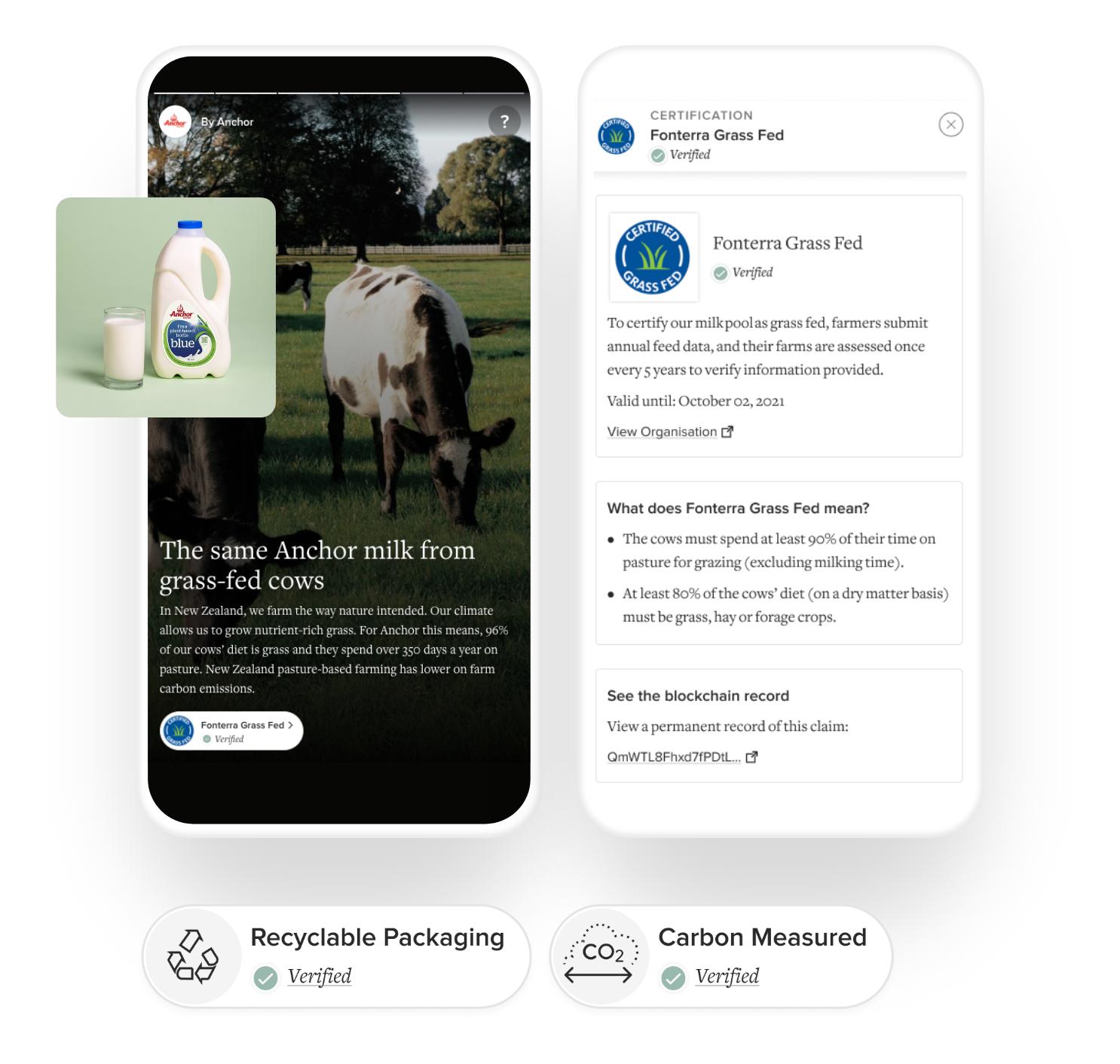
Ultimately, digital identity is not really about QR codes, databases, blockchain, or technology. It is about creating a stronger connection between what a product claims to be and the information behind that product.
A consumer sees a product on a shelf. Behind that product is a supply chain. Behind the supply chain is data. And behind the data should be information that can be understood, connected, maintained, and, where appropriate, verified.
The brands that build this foundation today will be better positioned for a marketplace where consumers, retailers, regulators, and digital systems increasingly expect products to come with accessible information.
The future of food transparency may therefore not be about putting more information on the package.
It may be about building more reliable information behind it.
Every food product already has a physical identity.
The next step is giving that identity a trustworthy digital connection.