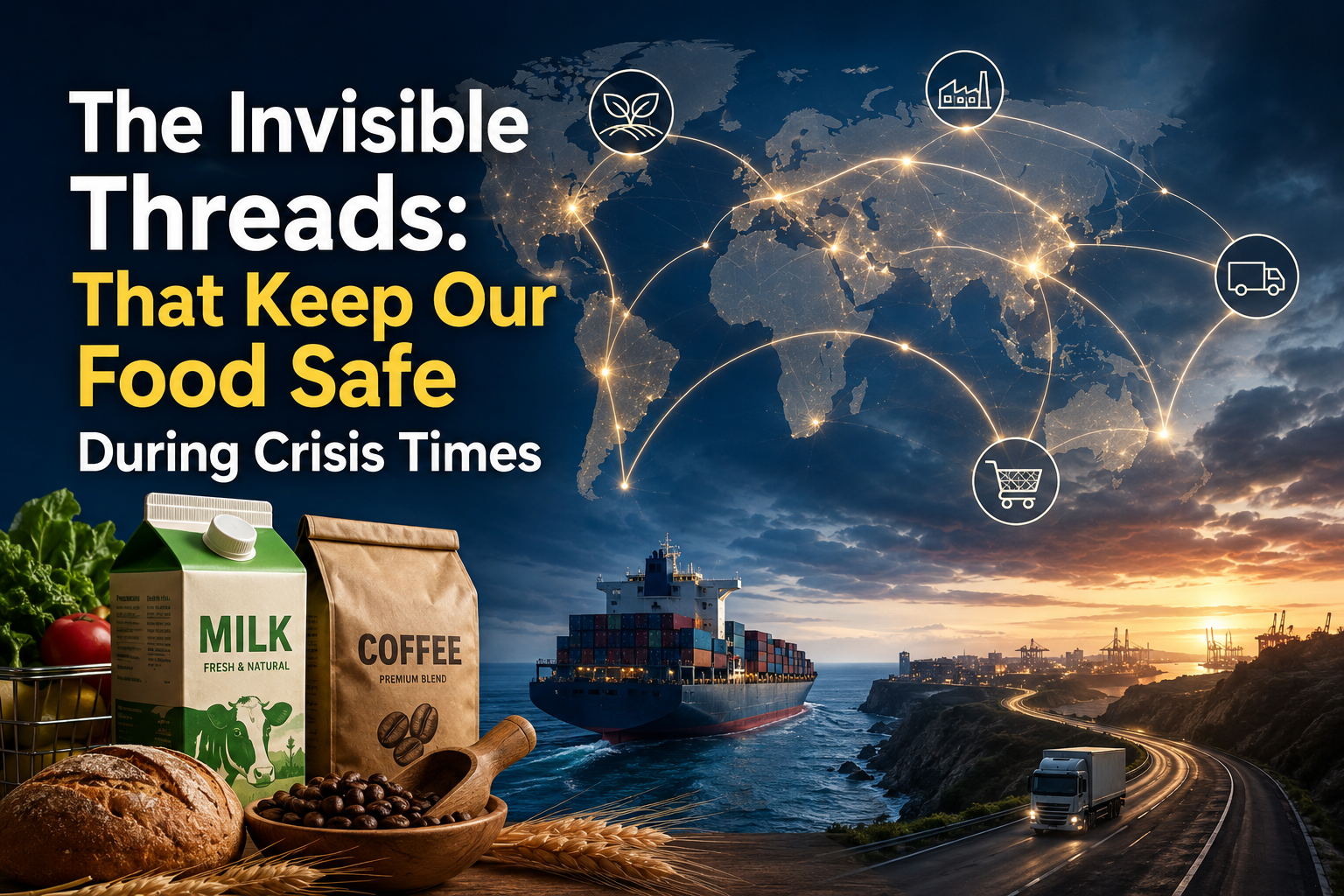
How ingredients travel before they reach your shelf
Originally published as “The Invisible Threads: That Keep Our Food Safe During Crisis Times ”
March 11, 2026
In the quiet hum of a supermarket aisle, a carton of milk or a bag of coffee beans tells a simple story. But the journey that brought it there is anything but simple. It is a sprawling, global narrative written across continents, oceans and political borders, a story most of us never see. For the companies that orchestrate this movement, the plot has become increasingly perilous. The hypothetical scenario of a 2026 conflict in the Middle East and escalating tensions around the Strait of Hormuz is not just a geopolitical thought experiment. It is a stress test for the entire global food system, revealing a fundamental truth: the resilience of our food supply is no longer about warehouses and trucks, but about visibility and knowledge.
The most critical asset a food company can possess today is not a fleet of ships, but a map. A detailed, living map of its entire supply chain, from the farm to the shelf. This invisible thread of data is what separates a managed challenge from a catastrophic failure when the world turns volatile. Later in this article, we explore how mapping supplier tiers behind a single ingredient can reveal hidden risks and help companies keep products flowing even during geopolitical disruptions.
"The most critical asset a food company can possess today is not a fleet of ships, but a map of its entire supply chain."
The Anatomy of a Modern Crisis
The food and beverage industry operates on a foundation of breathtaking efficiency and profound fragility. For decades, the model was clear: source globally for the best price, move goods just-in-time and minimize inventory. It worked, until it did not. The pandemic was a brutal wake-up call, exposing how a single virus could snarl ports, empty factories and send shockwaves from farm to fork. Then came the Suez Canal blockage, a six-day event that held $9.6 billion in trade hostage and illustrated how one stuck ship could ripple through global commerce for months. The war in Ukraine tore open the global grain market, sending wheat prices soaring and demonstrating how regional conflict translates directly to empty shelves and higher bills thousands of miles away.
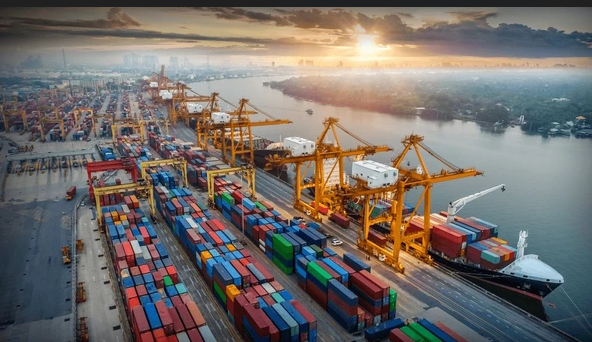
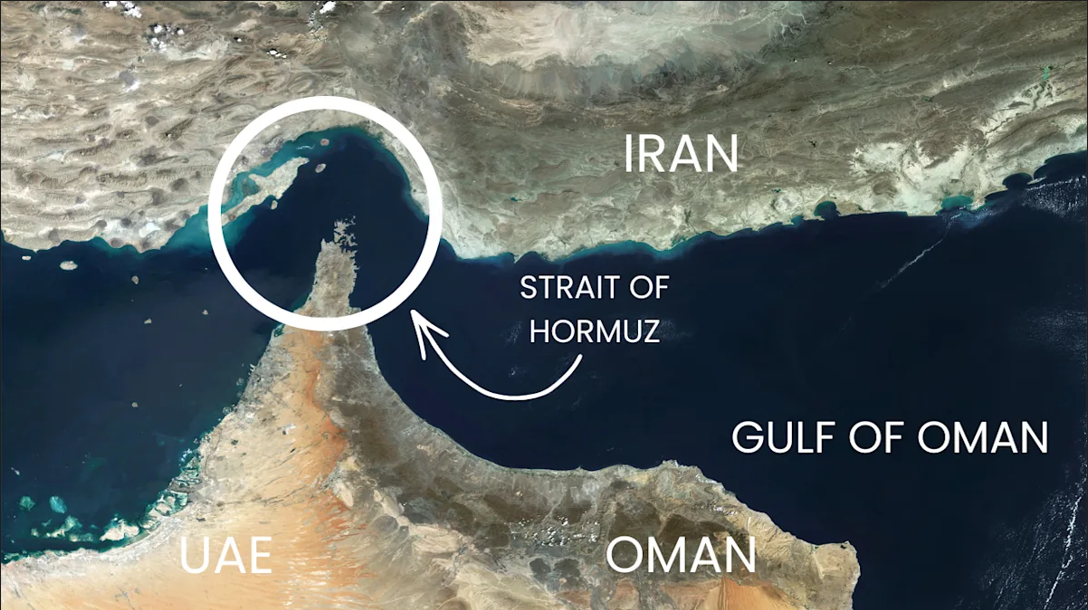
Each event was a lesson in interconnectedness. Now, analysts and executives are war-gaming a new, more complex scenario: a 2026 escalation in the Middle East. The immediate impacts are stark. The Strait of Hormuz becomes a flashpoint. Energy prices spike overnight. Shipping insurance premiums skyrocket. Vessels are rerouted around the Cape of Good Hope, adding weeks to transit times and burning millions in extra fuel. For a food company, this is a direct hit to the cost of moving ingredients, the energy needed to run processing plants and the stability of the fertilizers used to grow crops. The question shifts from whether a disruption will occur to where it will strike and how severe it will be.
Beyond the First Tier: The Critical Blind Spot
In this environment, knowing your direct supplier is no longer enough. It is like knowing the conductor of an orchestra but being deaf to every other musician. This is the Tier 1 trap. A company might have an excellent relationship with its sugar refinery, but if it does not know that refinery sources its cane from a single region now facing port closures or that the plastic for its bottles comes from a polymer plant dependent on natural gas shipments through a conflict zone, it is flying blind.
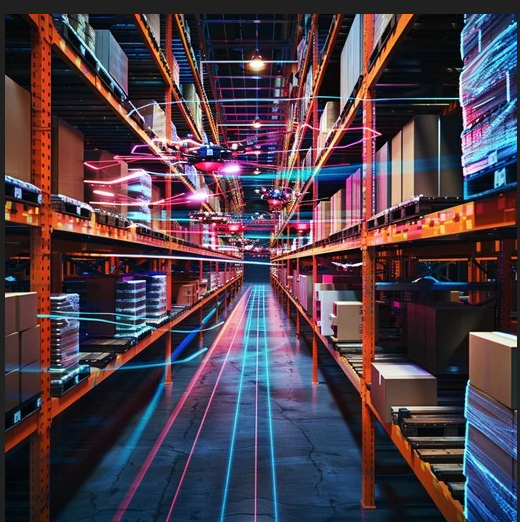
Supply chain mapping is the process of turning the lights on in this vast, hidden network. It is the systematic identification and documentation of every entity, process and flow involved in making a product, pushing past Tier 1 suppliers to Tier 2, Tier 3 and beyond, all the way to the origin of raw materials. The goal is not to create a static diagram for a compliance report. It is to build a dynamic, living system for risk management. This mapping creates a structured foundation for active supply chain risk management, allowing companies to move beyond reactive responses to disruptions and instead anticipate where vulnerabilities are most likely to arise.
For a food manufacturer, this could mean identifying that a critical flavor extract relies on a sub-supplier located in a politically unstable country or that 80% of its packaging comes from a single factory cluster vulnerable to energy blackouts. This knowledge is power: the power to prepare before the storm hits.
From Map to Action: Building Practical Resilience
A map is only useful if you know how to navigate with it. For food companies, the insights from multi-tier mapping fuel a more resilient operating model. The first step is diversification. The lesson from Ukraine and the looming specter of Middle East conflict is clear: avoid single points of failure. This does not mean abandoning efficient global partnerships, but thoughtfully building alternatives. It is what experts call friendshoring or regionalization: developing trusted supplier networks across different geographies. A beverage company might source citrus from both South America and Southern Europe. A snack producer might secure cocoa from West Africa and Southeast Asia.
The second step is strategic collaboration. Resilience is not a solo endeavor. Forward-thinking companies are working more closely with their key suppliers, sharing data and co-developing contingency plans. They are pre-qualifying alternative logistics partners and agreeing on substitute ingredients in advance. The focus is on building closer strategic partnerships with material suppliers, increasing visibility across the supply chain and maintaining more flexible production planning.
The third step is intelligent buffering. The just-in-time model is being recalibrated to just-in-case for critical, hard-to-replace components. This is not a return to bloated warehouses, but a data-driven approach to holding safety stock for the ingredients whose failure would halt a production line. It is a calculated cost of doing business in a volatile world.
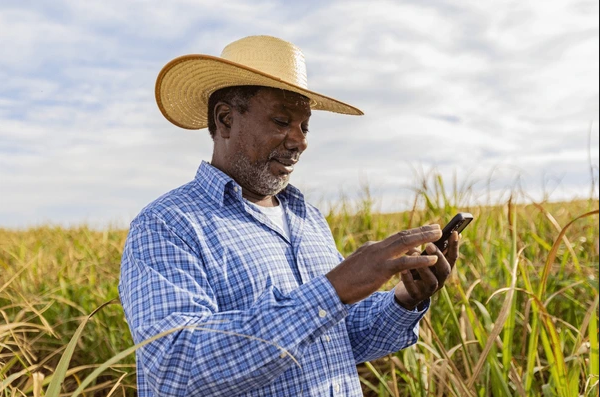
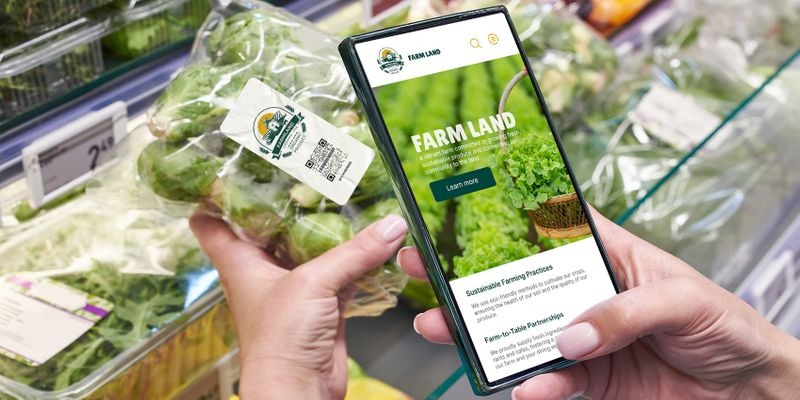
Finally, this all hinges on technology. Blockchain platforms create immutable records from farm to factory, proving provenance and speeding up recall responses when needed. IoT sensors in shipping containers provide real-time data on location and temperature, alerting managers if a shipment of perishables is stalled. AI algorithms scan news feeds and shipping data, predicting disruptions before they cascade through the network. This context-rich AI becomes the foundation for a more resilient and more trust-empowered way of working.
The Ripple Effects: Trust, Ethics and Survival
The drive for resilience transcends operational continuity; it touches the core of consumer trust and corporate ethics. In a crisis, traceability becomes a lifeline for food safety. If a conflict disrupts normal supply routes and new ingredient sources must be tapped rapidly, companies need to verify their safety and authenticity instantly. A robust digital trail prevents adulteration and ensures compliance amidst chaos.
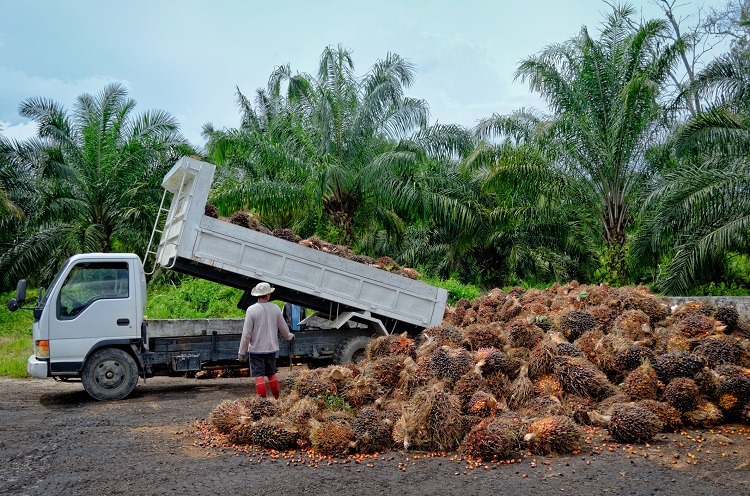
Furthermore, multi-tier mapping exposes the ethical foundations, also called fault lines, of a supply chain. It can reveal dependencies on regions with poor labor practices or environmental standards. In an era where consumers and regulators demand transparency on deforestation and forced labor, this deep visibility is both a shield and a responsibility.
The economic implications are equally profound. Companies with resilient, transparent supply chains gain a formidable competitive advantage during disruptions. They maintain supply, protect their market share and safeguard their reputations. For smaller businesses, the playbook is different but just as vital. Their resilience comes from knowing the vulnerabilities and having two or three viable alternatives ready and leveraging strong local relationships to secure priority access to materials. The cost of investing in this visibility is significant, but the cost of ignorance is far greater: potentially 45% of one year's profits over a decade, according to some estimates. It is an investment not just in efficiency but in survival and societal trust.
Conclusion
The story of our food is being rewritten. The old narrative of seamless, invisible global flow has been replaced by a more honest and more complex tale of fragility and interdependence. The hypothetical war in 2026 is a stark reminder that the pressures on our food system are not diminishing; they are multiplying. In this new reality, resilience is not found in a stronger warehouse wall, but in a more connected network. It is woven from the invisible threads of data that map a journey from a distant field to a local shelf.
For the companies that choose to spin this thread, to invest in the maps, the technologies and the collaborative partnerships, the reward is more than business continuity. It is the profound ability to fulfill a basic human promise: to feed people, steadily and safely, even when the world is anything but steady. Their resilience becomes our own, a quiet assurance in every product that makes it to the table, no matter what storms rage beyond the horizon.
"Resilience is not found in a stronger warehouse wall, but in a more connected network woven from invisible threads of data."
Reference
- Best Practices for Supply Chain Mapping. Food Logistics.
- How Supply Chain Mapping Strengthens Supply Chain Integrity. Foley.
- Conflict in the Middle East: What It Means for Manufacturers and Global Supply Chains. The Manufacturer.
- Protecting Food Supply Chains in War. Food Navigator.
- The War in Iran: Supply Chain Impacts and Actions. LMA Consulting Group.
- Review of Maritime Transport 2023. UNCTAD.
- Managing Supply Chain Risk: The Time for Reinvention Is Now. BCG.
- Critical Infrastructure Security. CISA.
- Circular Economy in Food. Ellen MacArthur Foundation.
- The State of Food Security and Nutrition in the World 2023. FAO.
- Suez Canal Blockage: What It Means for Global Trade. Flexport.
- Global Standards for Traceability. GS1.
- IBM Blockchain for Supply Chain. IBM.
- Nestle Harnesses Blockchain to Provide Greater Transparency. IBM.
- World Economic Outlook, October 2022. IMF.
- Supply Chain Recovery: Six Lessons from the Pandemic. McKinsey.
- COVID-19 and the Future of the Supply Chain. PwC.
- The Path to Sustainable Supply Chains. PwC.
- Grain Prices Hit Record Highs as Ukraine Conflict Bites. Reuters.
- Progress on Sustainable Palm Oil. Unilever.
- The Future of Supply Chains: Building Resilience in a Volatile World. World Economic Forum.
- Food Security Update. World Bank.
- 2023 Global Chief Procurement Officer Survey. Deloitte.